
The Ozempic Aesthetic
needles and nuance

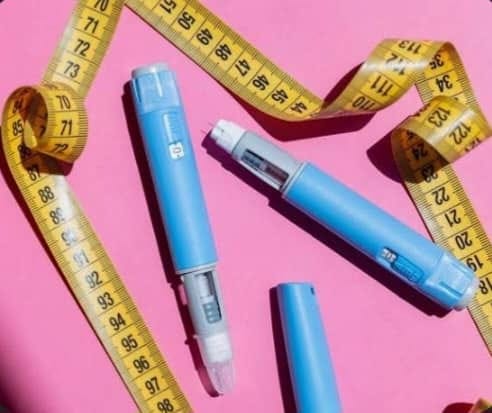
This essay is about to be more personal than others. It took me a while to get my thoughts together, but well, here it goes.
In 2005, the United states FDA gave the green light for the production of a drug called Byetta . It contained a synthetic version of a hormone in Gila Monsters (a species of venomous lizard native to the Southwestern United States and the northwestern Mexican state of Sonora) that allows them to slow down their own metabolisms. Meaning that they can go without eating, for long periods of time, without their blood sugar dropping. Byetta was launched with its anticipated target market being type-2 diabetics. However, when it was launched, people started to notice something pretty interesting about the drug. Not only was it useful for managing type-2 diabetes, but it was causing weight loss of about 5% and over in its patients. Now, this is where Byetta stopped being about diabetes and became the go-to weight loss remedy for people who wanted become thin as soon as possible.
The issue with Byetta however, was that, for it to be effective, it had to be administered twice a day, injection only. Pharmaceutical company Novo Nordisk took the cue and developed the drug, Semaglutide, which was approved under the brand name, Ozempic, in 2017. This drug was convenient particularly because, it yielded the same results as Byetta, except it only required one injection to be administered a week. Obviously, people ditched Byetta for Ozempic becuase, well, less injections. Note however, that there is an FDA approved version of semaglutide in higher doses for weight management, called Wegovy. Nonetheless, ozempic is still used off-label for the purpose of weight loss. Ozempic became so popular that it actually started to disappear from shelves. In 2022 and 2024, it was recorded that people who actually needed Ozempic to manage diabetes, weren’t even getting access to the drug. Popularly referred to as the “Ozempic Crisis”, this shortage was largely fuelled by early Tiktok influencers documenting their weight loss journeys under the hashtag #ozempic and unconfirmed rumours surrounding celebrity use of ozempic.
Now let’s get into what this essay is actually about. The Ozempic Crisis is just another example of what it looks like when people decide to do whatever it takes to fit society’s beauty standard. Because let’s be honest with ourselves here, becoming thin has never really been about being healthy or living longer. For some, maybe. But for most, even without realising it, it is an attempt to fit into society’s mould of what makes a person “hot” or “appealing”. The difference between Ozempic and exercise paired with healthy dieting is, the latter actively focuses improving general health, while the former is largely used for results. But this isn’t even about the negative side effects of Ozempic. I’m not really not about to be the person to tell you not to use ozempic to lose weight. The reason for this essay is why people do it. When you grow up hearing something often enough, you start to believe it is true, whether it actually is, or not. Despite it being made increasingly evident that you can be healthier in a bigger body and that certain people are just genetically meant to be bigger than others, that isn’t exactly what influencers tell you in their “shrinking girl summer” posts. When the celebrated narrative is “thin is in” and not “health is wealth”, it’s really not hard to tell why thousands of people develop eating disorders, become anorexic, or for the purposes of this essay, use ozempic to fit the aesthetic.
There was a time in my life when I would’ve absolutely jumped at the opportunity to use ozempic. I don’t think I remember a time in my life when I didn’t hear comments, opinions, observations or suggestions about my weight. I guess, people’s comments really started to affect the way I saw myself around the time I turned 13. After the COVID-19 pandemic, I had gained a considerable amount of weight. I hated going out because I hated the way I looked in everything. Also, because I didn’t want to be told for the umpteenth time by another person that I’d gained weight. It was so bad that, I remember briefly wishing that I’d fall sick for a few weeks just to shed a couple of pounds. So no, again, I’m not here to judge anyone who uses ozempic or tell anyone not to use it either. I’m here because, I understand firsthand what it’s like to want to lose weight for the wrongest of reasons, and it’s not pretty. There was never really one moment that led me to decide to stop being insecure about my weight. I guess overtime, I came to the gradual conclusion that people around me are always going to have opinions. Sometimes they tell you what they think because they genuinely believe that they’re trying to help. I had to make the conscious effort not to let them contribute anymore to how I felt about myself. What matters most at the end of the day is health and welfare, not some imaginary standard that tells what you can and can’t weigh. Am I completely desensitised to what people say about my weight? Not exactly. But I don’t let comments about my weight bother me half as much as they used to, and to me, that makes all the difference in the world. I did lose some weight during secondary school, and guess what, the comments still haven’t stopped. If I want to continue listening to them and tailoring how I want to look to public opinion, I’ll probably give my parents heart attacks. They’ve always been the ones to tell me not to pay mind to anyone…don’t know why it took me as long as it did to finally listen but it matters that I eventually listened.
The bottom line is, the reason behind taking a decision about your body is just as important as the decision itself, because it heavily affects the way you’d treat yourself in the long run, regardless of how much you weigh. If the decision to lose weight comes from a place of genuine self-love and feeling that it’s the best thing for your health and well-being, there shouldn’t be an issue, regardless of how you do it. But doing it just because people(and I’m not referring to your doctors) tell you to or because you feel that your self-worth is for some reason, tied to how much you weigh, isn’t likely to give you the satisfaction you seek to find. Life can be beautiful, but chances are, you won’t see it that way if you spend it constantly obsessing over how many pounds or kilograms a slice of bread is going to cause you to gain because you saw someone on instagram saying carbs are bad.
Once again, I feel the need to clearly point this out because it’s pretty easy to misunderstand what the whole point of this is. I wrote this, to dissect the reasons behind why a majority of people decide to lose weight the way they do, not that the way they do it in itself is bad. That might be a conversation for another day. I understand that this is a very nuanced conversation and did my best to analyse as broadly as possible.
That said, it’s really not that hard to be a decent human being to the people around you. Believe me when I say, your unwanted opinions aren’t helping people as much as you think. If you have nothing nice to say to someone who hasn’t offended you, it is not expensive to keep quiet. Cheers! <3